
Primary format
A shipping-led kraft mailer or presentation-led fold-flat magnetic box, chosen from the actual folded garment, accessory set and delivery route.
Apparel & fashion packaging system
Build the first packaging system around the folded garment or accessory, the way it reaches the customer, and the brand details they keep. Start with a box or mailer, then coordinate tissue, cards, labels, stickers and hang tags as one repeatable brief.
Build an apparel packaging brief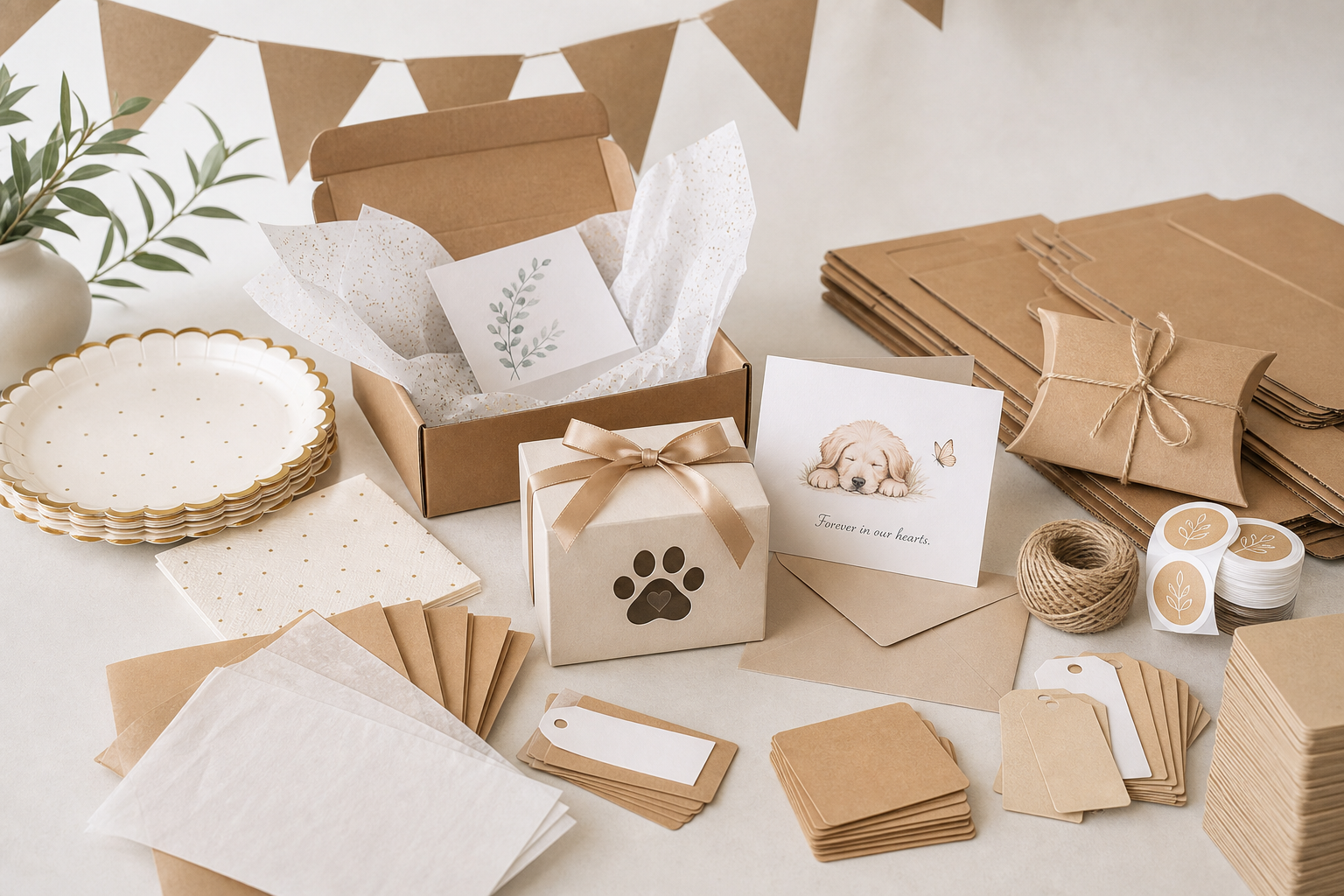
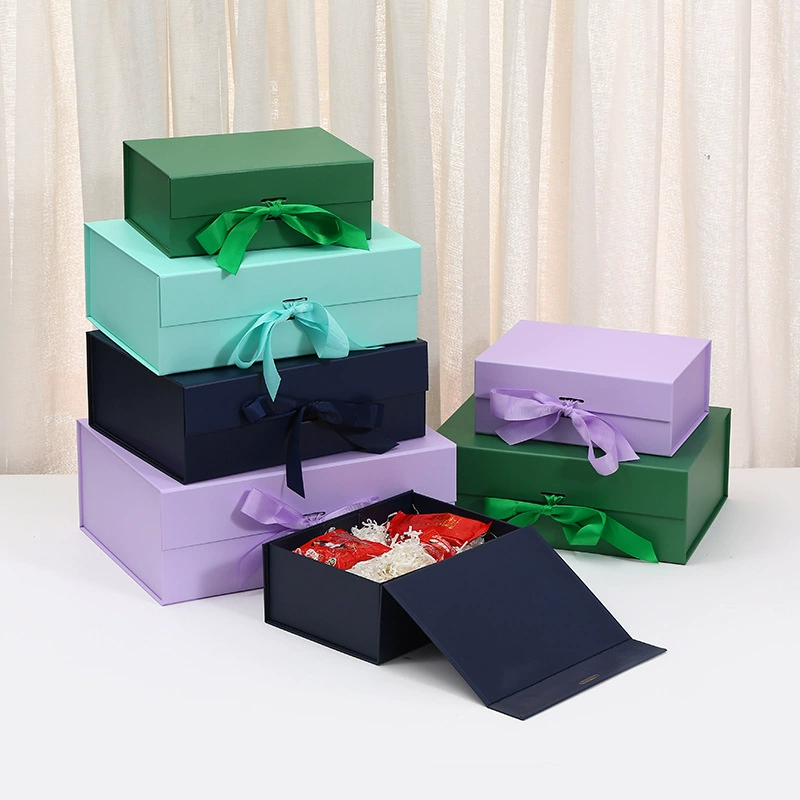
A shipping-led kraft mailer or presentation-led fold-flat magnetic box, chosen from the actual folded garment, accessory set and delivery route.
Tissue, paper wrap, inserts or pads that keep the product arranged without claiming a fit before measurements and sample review.
A thank-you or care card, sticker or label, and hang tag using one approved logo, color and artwork system.
Do not add every component by default. The strongest starter system uses the fewest components needed to protect, identify and present the product consistently.
Begin with a mailer when the outer pack must travel directly through delivery. Measure the folded product, tissue, card, protection and usable internal space before choosing a catalog format.
Consider a fold-flat magnetic box for premium clothing, accessories, influencer kits or retail handover where the reveal matters. Confirm the closure, board, finish, size and freight first.
A compact mailer can suit jewelry, hair accessories or small fashion items only when the usable internal cavity and protective arrangement have been measured and approved.
This brief starts the review; it is not a final specification. The supplier route, sample, proof, production details, master-carton facts and freight basis still require approval.
A presentation-led family for reviewed customization. Size, closure, board, finish, printing, quantity and freight require confirmation.
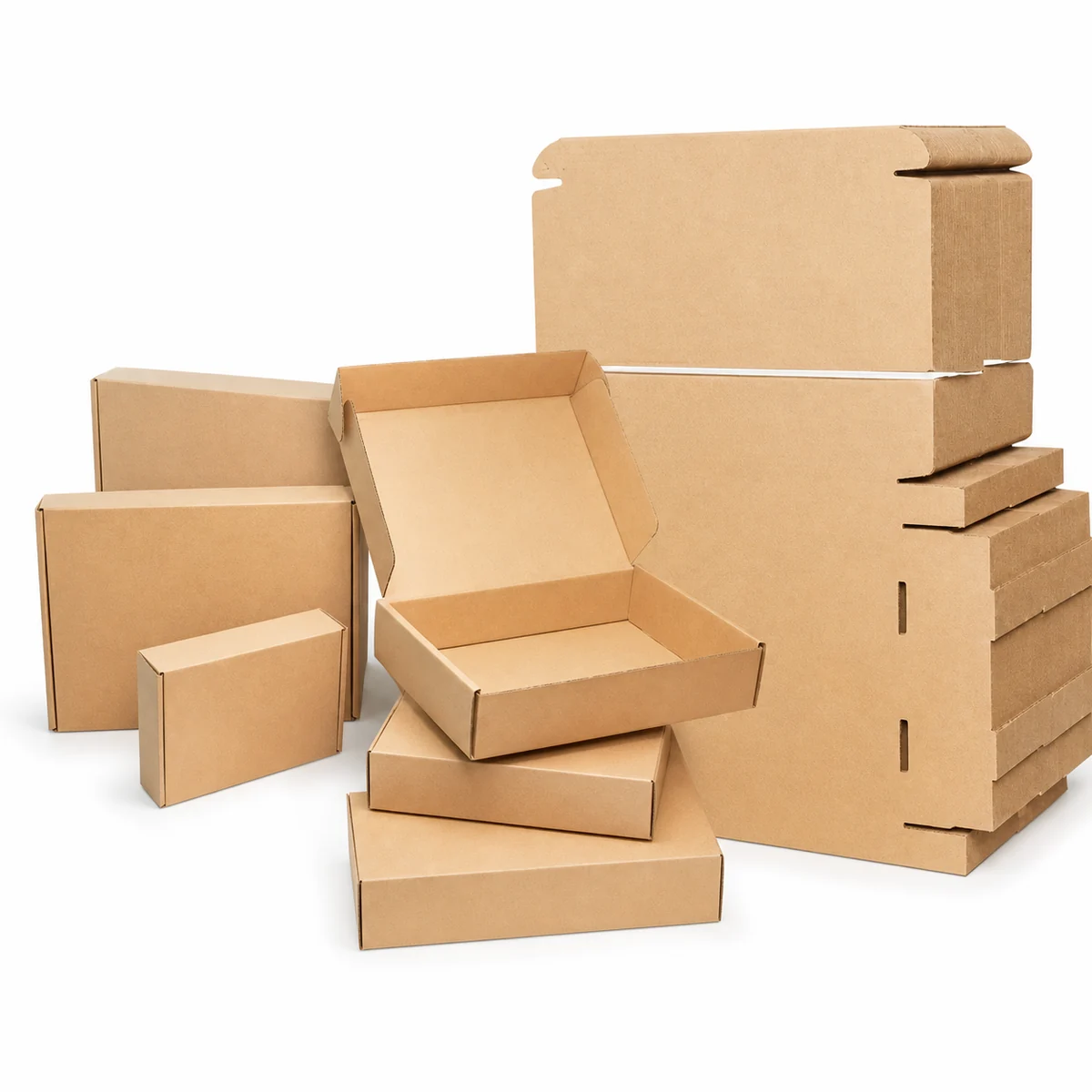
A compact blank-box starting point with listed quantities. The catalog size is exterior; internal fit must be validated.
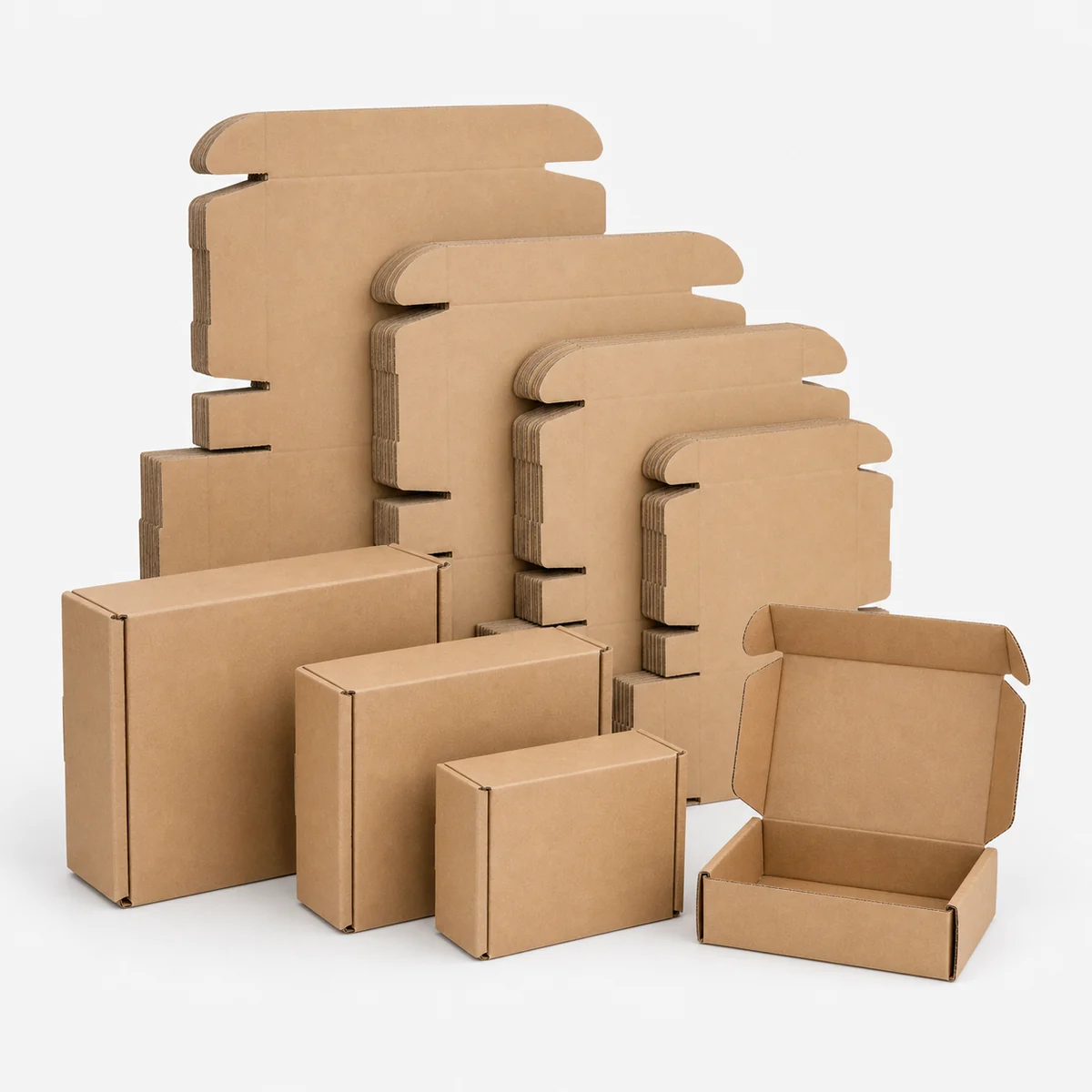
A longer, flatter mailer route. Exact stock size, board, packed carton and freight remain review-first.
Start with a primary presentation or shipping format, then add only the paper components that support identification, protection and customer communication: tissue or wrap, a card, label or sticker, and a hang tag when the product needs one.
Selected blank boxes have listed small pack quantities. Custom sizes, printing, coordinated components and samples use supplier-reviewed minimums, specifications and pricing before payment.
Use the packed garment, presentation level, delivery route and storage plan to decide. Mailer boxes suit shipping-led packs; fold-flat magnetic boxes suit presentation-led sets. Internal fit and logistics must be confirmed for either structure.
They can be planned as one visual system, subject to artwork, materials, print method, supplier minimum, proof and sample approval.
Send the folded garment or accessory dimensions and weight, pack orientation, component list, quantity, destination postcode, deadline, artwork direction and any required material or performance evidence.
Start from the packed garment, approve the smallest useful component system, and record the structure, artwork and logistics needed for the next reorder.