
1. Primary structure
Choose the outer box, mailer or paper bag from the packed product, presentation goal, storage space and delivery conditions.
A complete first system for a small brand
We begin with the product people buy, then design the full scene around it: presentation box or mailer, paper bag, tissue or wrap, card, envelope, hang tag, label and protective insert. The result is one coherent system, ready to brief, sample and scale.
Build your starter brief Plan the MOQ route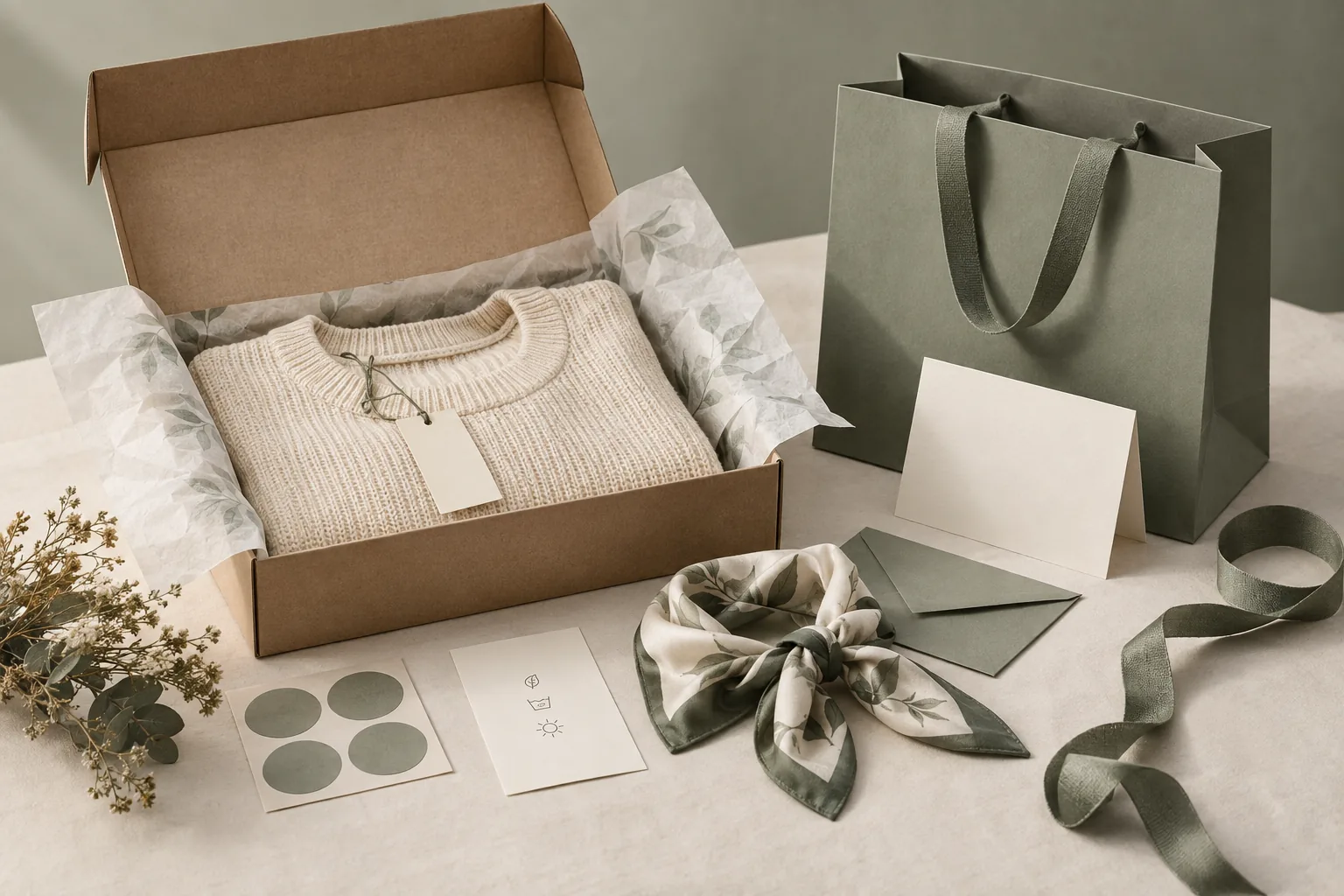
A useful starter system connects every visible and protective component to the same product, customer and delivery route. You do not need every component on day one; you need a clear hierarchy that can grow without losing consistency.
Choose the outer box, mailer or paper bag from the packed product, presentation goal, storage space and delivery conditions.
Coordinate the logo, color direction, card, label, sticker, tissue, hang tag and wrapping paper around one approved visual system.
Specify inserts, pads and assembly steps, then record approved dimensions, materials, artwork versions, quantities and carton facts for reordering.
Folded garments with a mailer, paper bag, tissue, card, envelope, hang tag, stickers and ribbon.
Small presentation boxes, pouch, paper bag, care card, envelope, tag and seal around the actual jewelry.
Presentation boxes, cards, ribbons and protective layouts that match the gift moment and product geometry.
Mailers, sleeves, cards, backing boards and organized inserts for flat or mixed-component sets.
Component organization, printed instructions, protective zones and an outer box designed around the packed kit.
Considered presentation, personalization, internal protection and review-first specifications for sensitive products.
A bottle-ready box, molded paper support, carry bag, card, envelope, neck tag and seal.
Food-first packaging with pizza box, takeaway bag, side carton, cup sleeve, napkin band and labels.
A fold-flat magnetic box can serve as a presentation-led foundation across fashion, gift, stationery and keepsake scenarios. Its compact unassembled form may help storage, while the assembled structure creates a reusable-feeling unboxing experience.
Use it when the product and unboxing moment justify the structure. It now sits behind the scene strategy—not ahead of it—so the box supports the brand system instead of becoming the whole system.
Choose the commercial situation and components you are considering. The tool creates a structured first brief and review checklist; it does not calculate an unverified price, MOQ or delivery promise.
The product stays visible in every direction. Each route shows how multiple paper components work together, not a row of isolated boxes.
Garment, mailer, bag, tissue, card, envelope, hang tag and branded details.
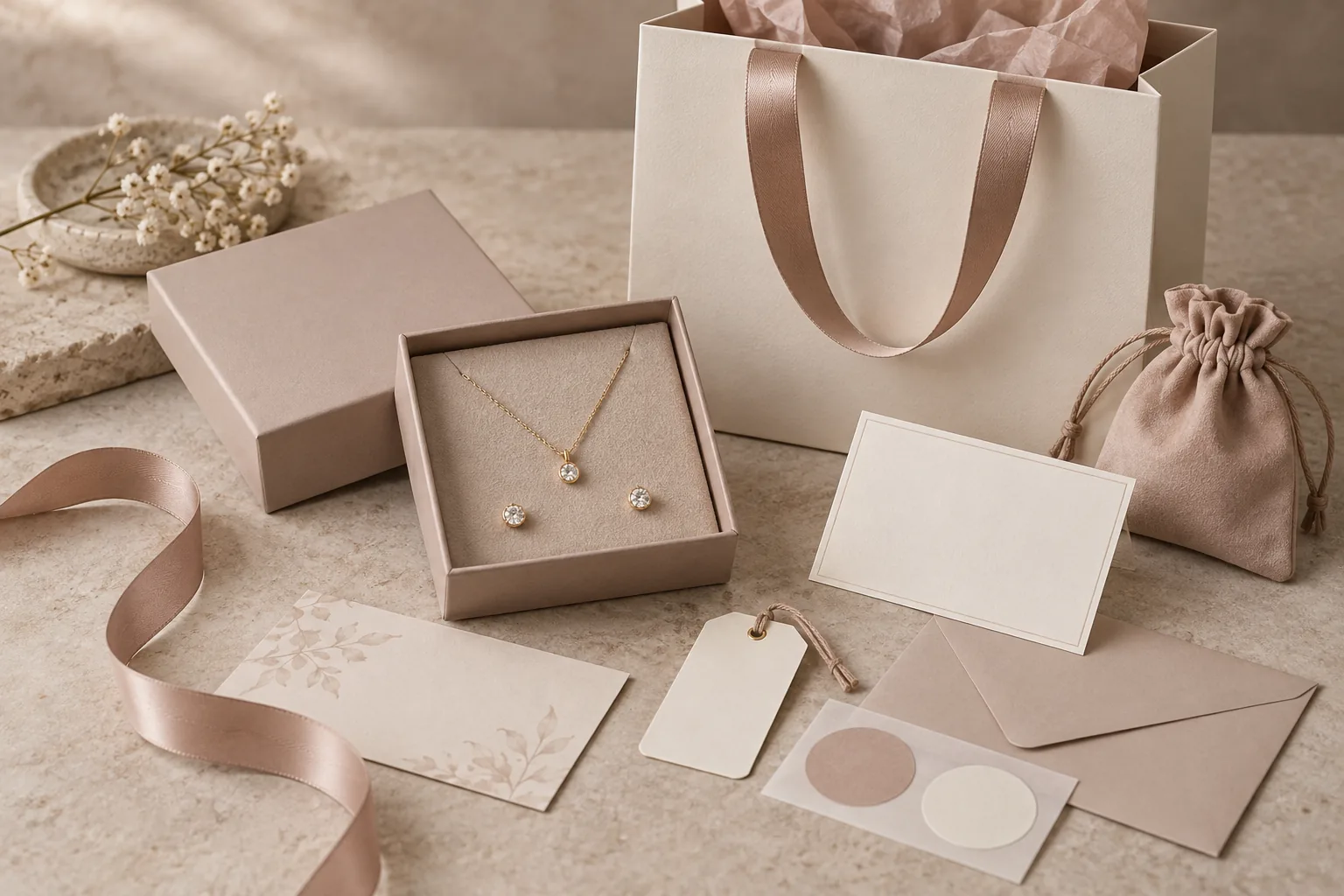
Jewelry, presentation box, pouch, bag, care card, envelope, tag and seal.

Bouquet, gift, presentation box, paper bag, wrap, card, envelope and ribbon.
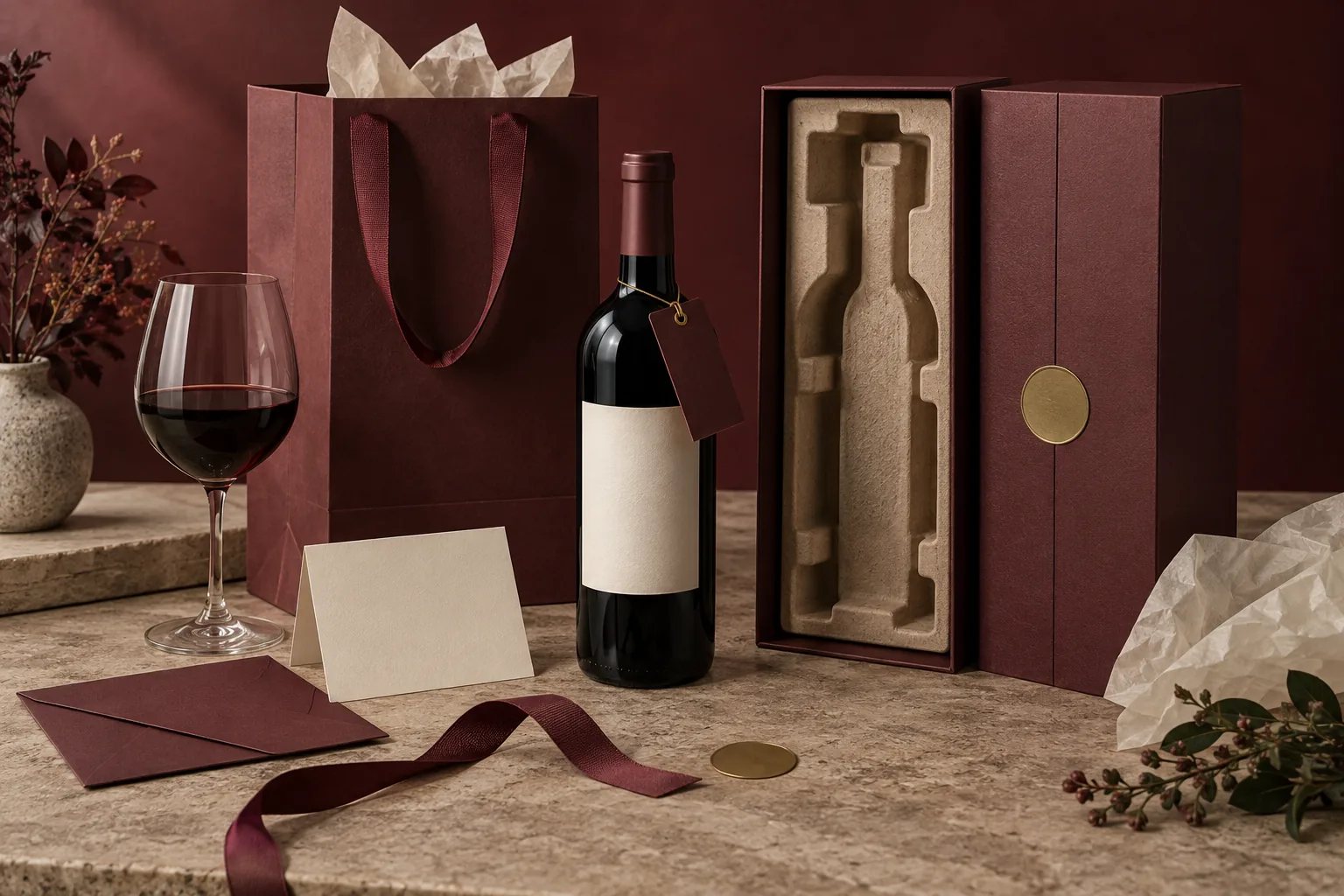
Bottle, fitted support, presentation box, carry bag, card, envelope and neck tag.
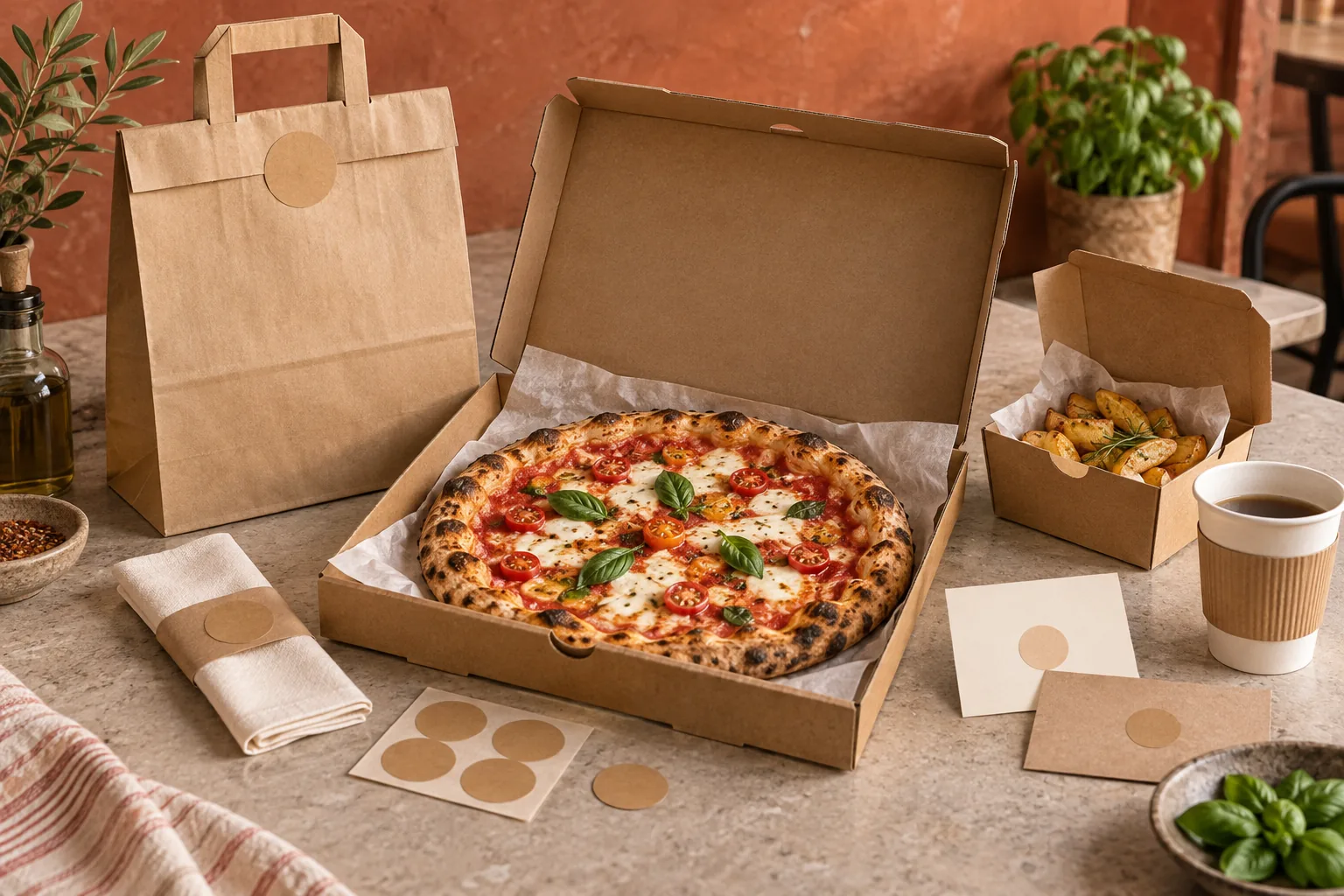
Pizza, food boxes, takeaway bag, cup sleeve, napkin band, cards and stickers.
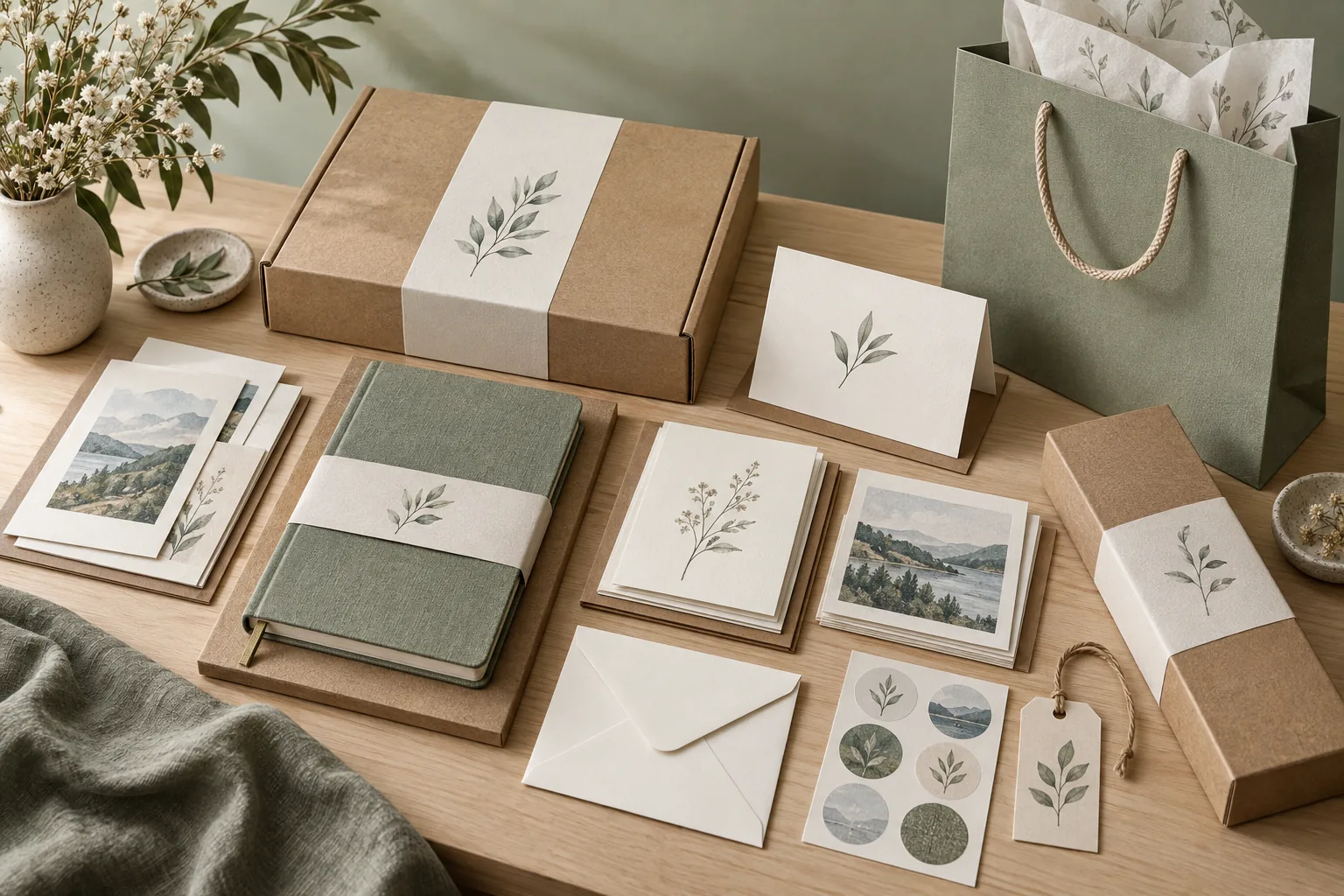
Paper goods, mailer, bag, envelope, belly band, stickers and tag.
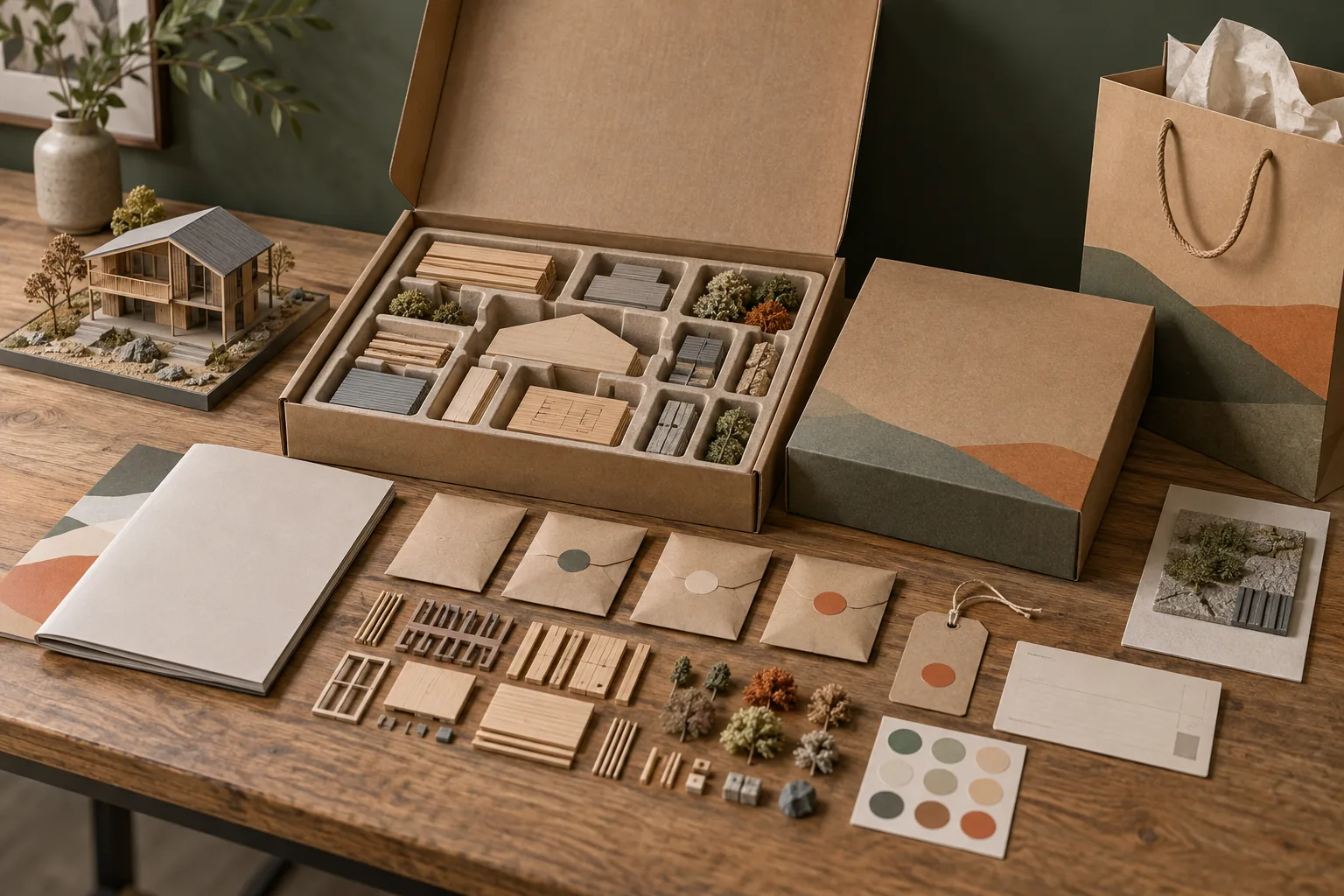
Finished model, organized parts, compartmented box, packets, instructions and labels.
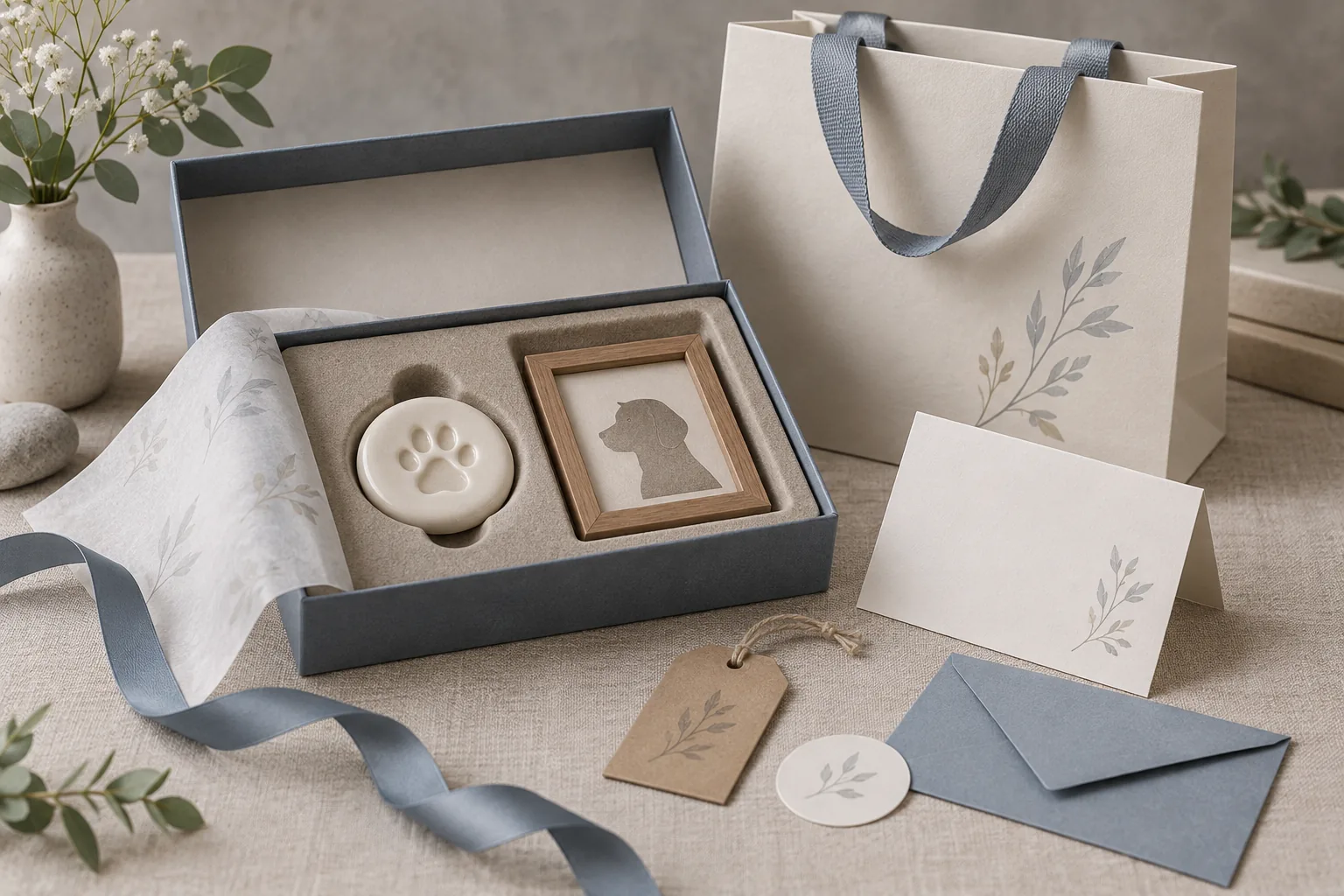
Keepsake, presentation box, molded insert, bag, card, envelope, tag and ribbon.
It is a coordinated first packaging setup built around the product, sales channel and delivery route. It can combine a primary box or mailer with tissue, cards, labels, hang tags and protective inserts.
Yes. Small-batch customization, coordinated components and samples use supplier-reviewed quantities, specifications and pricing before payment.
A fold-flat structure can reduce storage volume before assembly while providing a presentation-focused format. Product fit, board, finish, printing, packed weight and freight still require review.
The planning framework can support apparel and fashion, flowers and gifts, stationery and paper crafts, model or building kits, pet memorial products and other small-brand launches.
Provide product and packed dimensions, component list, quantity, destination postcode, deadline, artwork direction and any required material or performance evidence.
Choose a starting structure, document every approved component, and build a system that can expand with the brand without changing its identity.